Surface treatment & micro surfacing
Thin emulsion-based layers that seal the surface, stop water getting into the base and bring back skid resistance, at a fraction of the cost of an overlay.
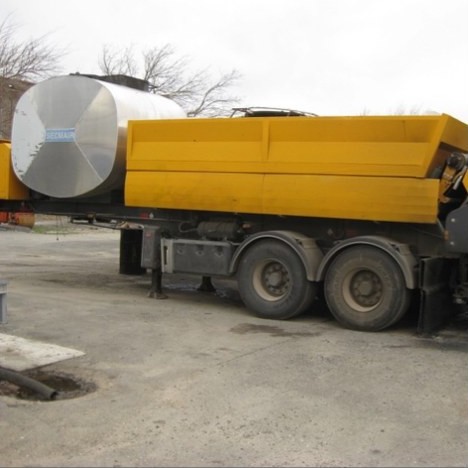
Clean, spray, chip, roll.
Potholes and cracks are repaired, the surface swept and edges masked.
Emulsion is sprayed at the design rate; for micro surfacing the slurry is mixed and laid by the SECMAIR unit.
Aggregate is spread evenly onto the fresh emulsion for surface dressing.
Rubber-tyre rolling embeds the chips; the road reopens within hours.
Preventive maintenance before the base fails.
Surface treatment is for roads whose structure is still sound but whose surface is ageing: fine cracking, ravelling, polishing. Sealing now postpones expensive reconstruction later.
Micro surfacing adds a thin, dense layer that also corrects minor ruts and is suitable for urban streets and regional roads alike.
- Akhalkalaki–Bakuriani
- Borjomi
- Khashuri
- Signagi
What is the difference between surface dressing and micro surfacing?
Surface dressing sprays emulsion and spreads chips on top. Micro surfacing lays a pre-mixed slurry of emulsion, fine aggregate and filler with a dedicated machine, giving a smoother, denser layer that can also fill small ruts.
How long does a treated surface last?
Typically five to eight years depending on traffic and climate, which is why it is used as planned preventive maintenance rather than emergency repair.
Do you supply the emulsion too?
Yes. The emulsion comes from our own plant in Vaziani and is tested in our accredited laboratory before every job.